
ROSERAM / LET’S OPEN A BOOK!
Where the Wild Things Are
Let’s peek inside Where the Wild Things Are! Here’s what makes this story special, a question to get you wondering and a fun idea to try after reading.
Explore this Where the Wild Things Are review
A LITTLE PEEK INSIDE
Where the Wild Things Are: Meet your next adventure!
Ready for a wild rumpus? Max sails into a world of enormous monsters and becomes their king! The pictures grow bigger as his adventure gets wilder. Under all that roaring is a cozy wish: sometimes even a king wants to go home.
WONDER OUT LOUD
Where the Wild Things Are: What do you think?
What would your very own wild thing look like?
YOUR TURN TO PLAY
Where the Wild Things Are: Try a little book magic.
Draw a friendly monster and give it a wonderfully silly name.
ROSERAM’S FULL READING ADVENTURE
Where the Wild Things Are: Come along for a wonderfully wild adventure
A bedroom becomes the beginning of a journey. Trees seem to take over a familiar space, a boat offers a way onward and enormous creatures wait beyond the ordinary world. Where the Wild Things Are has the excitement of a big adventure, but its heart stays close to a feeling many children recognize: having more emotion than you quite know what to do with.
Maurice Sendak gives that feeling a memorable shape through Max, a small boy with a wolf suit and a fierce imagination. You can enjoy the book as a meeting with marvelous monsters. You can also notice how the pictures, the quiet spaces and the journey home make it more than a parade of creatures. The story offers different discoveries as a child grows, without requiring a complicated explanation before the first shared reading.
Where the Wild Things Are: Max has a small body and enormous feelings
Max is not introduced as a perfectly behaved hero who always knows the right answer. He arrives with energy, mischief and a readiness to push against the world around him. That makes him interesting company. A child may recognize the feeling of wanting to be powerful, especially after an ordinary day has included a rule or disappointment they did not welcome.
You can acknowledge those feelings without turning every choice Max makes into something to copy. Feeling angry and deciding what to do with anger are different parts of an experience. A gentle discussion might begin by noticing when Max looks in charge and when his attention changes. There is no need to announce a single moral before the adventure starts. Let the character be a person to wonder about, with moods and choices that can invite more than one response.
Where the Wild Things Are: Watch the bedroom become something bigger
One of the book's most rewarding pleasures is the transformation of a place that should be familiar. A room is usually somewhere with known walls, furniture and rules. Sendak makes it feel possible for that familiar space to open into something much larger. For a listener who has imagined adventures from a bed or a corner of a room, that change can feel wonderfully understandable.
On a second reading, follow the transformation in the pictures rather than rushing toward the creatures. What begins to occupy more space? Where does the ordinary room seem to give way? A reader can point to changes long before they want to describe them in technical language. The useful discovery is that pictures can move a story forward by changing what seems possible. You do not need a great many words to feel that a world is becoming different.
Where the Wild Things Are: The page has a shape, and that shape tells a story
Look at how much room an illustration occupies. Early pictures leave space around the action, while later moments allow the imagined world to spread farther. That changing balance can make the adventure feel as though it is growing beyond its original container. The page is doing part of the storytelling, not merely holding a picture beside some words.
Try a simple noticing game: choose one early spread and one from the busiest part of the journey. Compare where your eyes travel and how close the creatures feel. Does one picture seem easier to stand outside, while another invites you right into the action? There is no required answer, but the comparison encourages careful looking. It also helps explain why reducing a picture book to a plot summary can miss so much of the experience. The way the adventure fills the page matters.
Where the Wild Things Are: Meet the creatures with the spectacular faces
The wild things look impressive enough to deserve their name. Teeth, claws, strange shapes and big expressions make them fascinating to study. Yet a creature can look powerful and ridiculous at the same time. Some listeners may find the monsters funny; others may need reassurance before deciding how they feel about them. Both reactions belong in a shared reading.
Ask a child which creature they would like to look at more closely. They might choose a face that seems grumpy, a body that looks awkward or a detail that makes them laugh. Let the picture guide the conversation rather than insisting the monsters are either completely frightening or completely friendly. The book gives readers room to explore that uncertainty. Being curious about a strange face can become part of the pleasure, as long as the listener knows they can pause or ask for company.
Where the Wild Things Are: What would it feel like to be king?
Max gains the sort of position that can look irresistible from the outside: he is important, noticed and able to give orders. That makes the adventure especially interesting when being in charge no longer seems to answer everything he wants. The story leaves room to distinguish the excitement of power from the comfort of belonging. Those are not always the same feeling.
Keep the discussion small and concrete. Imagine choosing every game for an afternoon. Would it be fun at first? What might you miss if nobody else offered an idea? Children can explore those possibilities without needing a lecture about leadership. You can also ask how a good game changes when everybody gets a turn to suggest something. Max's imaginary kingdom offers a playful doorway into questions about being listened to, making choices and noticing the other people in a shared adventure.
Where the Wild Things Are: Let the wordless pages have their moment
Some of the book's most famous action takes place without a great deal of written narration. That gives the reader a different job. You can look at movement, imagine sounds and decide how long to stay. A wordless stretch is not an empty space that an adult must fill immediately with explanations. It can be an invitation to enjoy a picture on its own terms.
One reading partner may want to supply stomps and roars. Another may prefer silence while they study the details. You can try both on different visits. If you do add sounds, let the pictures suggest them instead of treating every creature as equally loud. Does a particular movement look heavy, awkward, joyful or sleepy? Listening to a child's invented soundtrack can tell you what they notice in the images, while keeping the activity rooted in this particular book.
Where the Wild Things Are: A journey can change direction without a battle
A grand adventure does not always need a final fight to find its ending. Max's attention turns toward something he wants more than another round of wild excitement. That change gives the book a gentle emotional movement: the biggest, noisiest place is not necessarily where he wishes to stay. Wanting home does not make the imagined journey worthless. It helps define what the journey has made him notice.
Children know versions of that feeling. A busy party can be wonderful and still end with a wish for a quiet room. A favorite game can become tiring. Ask a reading partner how they know when they have had enough excitement. Their answer might be about their body, their mood or somebody they want nearby. The book offers a way to talk about returning to comfort without declaring that curiosity or adventurous play must come to an end.
Where the Wild Things Are: The homecoming is small enough to feel real
After the enormous creatures and the expanded landscape, familiar surroundings have a different weight. The return does not need another complicated event to feel important. A small sign of care can do a great deal of emotional work. This is one reason the ending can stay with readers after the details of the journey have become familiar.
Take time over that shift in scale. Ask what feels different about the room at the end compared with the beginning. The furniture may not need to have changed for the return to feel changed. A listener can think about what Max brings back emotionally, rather than looking only for a new physical object. For a grown-up, this can be a useful reminder that a picture-book ending often lives in the relationship between images, remembered feelings and one carefully placed detail.
Where the Wild Things Are: Make your own friendly wild thing
Start with a shape you enjoy drawing: a pear, a cloud, a lopsided circle or something that has no name at all. Add features that make the creature yours. It might have enormous listening ears, a tail that works like a paintbrush or feet that cannot agree which way to point. You can borrow the invitation to imagine without copying Sendak's creature designs.
Now give your wild thing a personality through one choice. What makes it happy? What does it find puzzling? What would it offer a visitor who felt shy? These questions help the drawing become a character instead of simply an assortment of teeth and horns. A child who does not want to write can tell an adult the answers. Keep the finished creature if you like, and let its next adventure grow from the personality you have invented together.
Where the Wild Things Are: Build a safe little rumpus
A story full of movement can invite a movement game. Choose a safe clear space with a grown-up and invent three gentle actions for your creatures. They might sway, tiptoe and stretch, or make enormous silent faces. You can make the game as quiet or as energetic as the space and the players allow. No furniture climbing or frightening anybody is required.
Give the game a beginning and an ending. Perhaps a paper crown starts the adventure and a soft hand signal brings everybody back to stillness. Notice what helps each player change pace. That playful structure connects with the book's own movement from ordinary surroundings into excitement and back again. It also makes room for children who would rather be the storyteller, the signal-giver or the audience than join the movement. There can be several happy ways to belong to the same activity.
Where the Wild Things Are: Draw a room that grows into an adventure
Divide a sheet into three parts. In the first, draw an ordinary place. In the second, let one surprising thing begin to change it. In the third, allow the imagined world to take over more space. A bedroom could become an underwater library, a hallway could turn into a moon path or a kitchen table could become an island for tiny explorers.
The important experiment is how the pictures change, rather than how beautifully they are drawn. Ask which detail tells the reader that the adventure is beginning. Is it a new color, a growing shape or an ordinary object behaving differently? You can add a fourth picture showing the return to the familiar room. That makes the activity a practical way to explore visual storytelling: a child creates a change, develops it and chooses how the images help the reader find the way back.
Where the Wild Things Are: Questions that invite a real conversation
Why might Max enjoy being king? What makes him want to return? Which picture would you step into, and which would you rather watch from the outside? Those questions offer different starting places, so choose one rather than delivering the whole list at once. The most interesting discussion may begin with a child's unexpected observation about a tiny detail.
Listen for what the answer reveals about their experience of the story. A listener who focuses on a creature's expression may be enjoying the visual comedy. Another who worries about the journey home may want reassurance. You do not have to turn either response into a lesson immediately. Asking a follow-up about what they noticed can be enough. The story is richer when children can disagree, wonder or change their minds without feeling that an adult has hidden a single correct interpretation inside every picture.
Where the Wild Things Are: Choosing the right moment for this book
This can be a wonderful choice for a child who enjoys imaginative pictures, strange creatures and a story with room to breathe. It may be less comfortable for a listener who finds teeth and claws unsettling or who wants a clear explanation for every imagined event. A familiar title is not a promise that every child will want it on every occasion.
Look at the pictures together before deciding how to read. You can offer a calm voice, daylight reading or the option to stop and choose another story. For an excited child, an exuberant performance might be welcome; for a worried one, a gentle picture walk may work better. These choices are about the child in front of you. The book's reputation can introduce it, but your reading partner's response is the best guide to what happens next in a shared session.
Where the Wild Things Are: Three different kinds of picture-book adventure
Harold and the Purple Crayon also makes imagination visible, but its journey grows from a drawn line and a character's practical inventions. Compare it with Max's expanding world to notice two different ways an ordinary beginning can become extraordinary. One book may invite you to invent a useful picture; the other may make you study how feelings and spaces change together.
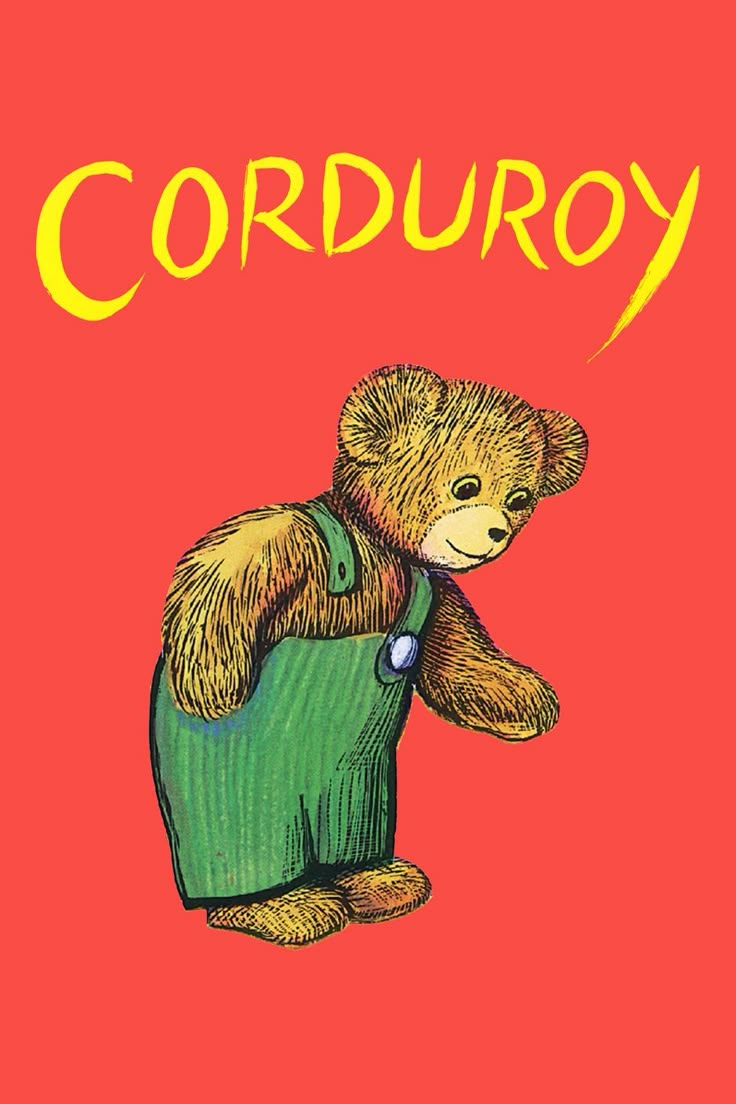
The Snowy Day offers another kind of discovery. Its changed world comes from snow in a familiar neighborhood, giving the reader small physical details to notice. Corduroy turns a department store into an adventure through the viewpoint of a little toy. Put these books beside one another when you want to explore how scale, setting and curiosity work. There is no need to choose one permanent favorite. A reader can enjoy a roaring imagined forest on one day and the small sound of footsteps on another.
Where the Wild Things Are: Outside reviews and our own conclusion
Common Sense Media's editorial review by Mary Dixon Weidler highlights the book's imagination, artwork and reassuring family connection. It also discusses the creature imagery that may concern some listeners. That is a helpful outside perspective for choosing a shared read, rather than a promise that every family will respond identically. The linked source below lets you explore the publication's full reasoning in its own context.
Our strongest reason to recommend exploring Where the Wild Things Are is the way its parts work together. The words leave room for pictures. The pictures change the size of the adventure. The creatures make emotion visible without turning it into a tidy diagram. The return gives the wildness somewhere to land. You can finish with a drawing, a quiet chat or simply another look at a favorite spread. A very small book can leave a surprisingly large space for imagination.
OTHER VOICES · ATTRIBUTED EXCERPTS
Where the Wild Things Are: A peek at published feedback.
These selected published excerpts come from the named sources. They are not reviews submitted to Roseram or a complete picture of every reader’s opinion.
Classic all-ages masterpiece has a wild imagination.
This excerpt is from an editorial review. It is not a customer star rating or a rating collected by Roseram.
Read the original source ↗Where the Wild Things Are: Sources for this reading guide
MORE BOOKS TO EXPLORE
Where the Wild Things Are: Snuggle up with another story.
Looking for a picture-book friend? These stories have lovely little worlds to explore together.


For grown-ups: book editions and prices
PRICE & EDITION COMPARISON
Where the Wild Things Are: Compare like with like.
Retail prices change by country, seller and date. A reliable comparison matches the ISBN, binding, language, publication date and condition, then includes shipping and tax. Check a new copy against another new copy, a used copy against the same edition in similar condition, and a library listing separately. We include publisher-listed reference prices when available; they are not a live survey of every retailer and are not presented as the lowest price.
Where the Wild Things Are: Explore the book’s background
Read the encyclopedia entry for more publication history and background.
For grown-ups: about our reviews and sources
SCOPE & SOURCES
Where the Wild Things Are: A clear basis for this review.
This is Roseram’s original editorial commentary on the work’s narrative, form and reader experience. It is independent of the book’s publisher and is not a customer rating, sponsored endorsement, or report of a hands-on test of a particular edition. Illustrations, translations, introductions and pagination can differ between editions.
For edition-specific publication details, compare the title and author in the public library catalog. No reader ratings or price quotes are presented unless a linked source identifies the exact edition.
Look up bibliographic records for this title