ROSERAM / LET’S OPEN A BOOK!
Corduroy
Let’s peek inside Corduroy! Here’s what makes this story special, a question to get you wondering and a fun idea to try after reading.
Explore this Corduroy review
A LITTLE PEEK INSIDE
Corduroy: Meet your next adventure!
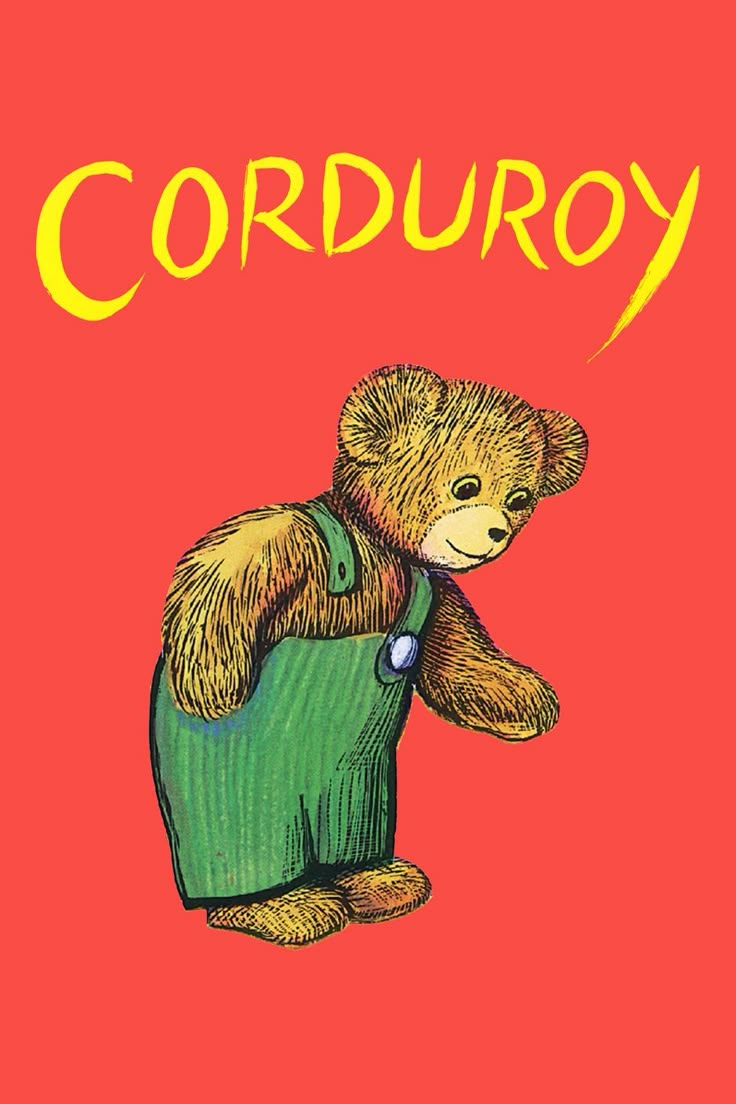
Meet a little bear with green overalls and one missing button. Corduroy's nighttime adventure turns a big store into a world of wonders. But the loveliest discovery is a friend who likes him just as he is. Button or no button, he is worth a hug!
WONDER OUT LOUD
Corduroy: What do you think?
What would you say to Corduroy if you found him?
YOUR TURN TO PLAY
Corduroy: Try a little book magic.
Draw a room where Corduroy and his new friend could play.
ROSERAM’S FULL READING ADVENTURE
Corduroy: A small bear with a very big wish
Some adventures begin with a dragon. Corduroy's begins with a missing button. That little difference is part of the book's charm. A teddy bear sitting in a department store wants something easy to understand: a person who will choose him. The store is full of things to buy, yet the story's most important question is about friendship rather than shopping. What makes somebody see a toy as a companion?
Don Freeman gives that question a small, lovable hero. Corduroy does not need a grand speech to make his feelings matter. His face, his green overalls and the way he explores the world do much of the work. Children can enjoy the bear's nighttime journey as a gentle adventure, while grown-ups may notice the tenderness underneath it. The book offers plenty of room for both kinds of reading at once.
Why the button matters to Corduroy
A missing button is a problem you can point to. That makes it a useful starting place for young listeners. Corduroy connects the missing piece with the hope of being taken home, and his search gives the story a clear direction. You do not need a long explanation of his wishes before you understand why he begins moving through the store.
The story also invites a softer question: does he need to become perfect before he can be loved? A reader can wonder about that without being handed a complicated lesson. Keep an eye on the difference between what Corduroy believes he must fix and what Lisa actually values. The missing button gives him a quest, but it is not the whole meaning of his friendship. That contrast is what makes this simple adventure feel warm rather than merely busy.
Corduroy: The department store becomes an enormous world
Imagine looking around a room from a teddy bear's height. Furniture grows into a landscape. A familiar object can look mysterious when it towers above your head. Freeman uses that small point of view to make the store feel full of discoveries. Corduroy is not traveling across a kingdom, but an ordinary building gives him more than enough space for an adventure.
This is a lovely book for talking about scale. Pick a picture and ask which object looks biggest beside the bear. Then imagine how the same place might look to Lisa or to a grown-up working in the store. Nothing needs to change about the actual furniture for the whole scene to feel different. A child's understanding of size and viewpoint can make the pictures especially enjoyable, even before they want to discuss the story in words.
Corduroy: A nighttime adventure without a giant battle
Corduroy's outing has uncertainty, but it does not depend on a terrifying villain. He is trying to solve a little problem in an unfamiliar place. That gives young readers a manageable way to wonder what will happen next. A grown-up can let the suspense breathe without performing every sound as though a disaster is approaching. The gentle tone is an important part of the experience.
Some children will still worry when a toy is alone at night, and that is a perfectly understandable response. Pause if your reading partner wants reassurance or would like to look ahead. A book is not a bravery test. The interesting question is what Corduroy notices and tries, not whether a listener can get through the pages without asking for comfort. Reading together leaves room for both curiosity and a secure place beside somebody familiar.
Corduroy: Lisa sees a friend
Lisa's part in the story changes the meaning of what we have seen. Corduroy has been thinking about a missing piece, but she recognizes something more important. Her interest makes the bear feel like an individual rather than one more object on a shelf. The pleasure of the ending comes from that recognition: somebody sees the friend he can be.
Notice that kindness in the story is expressed through ordinary decisions. Lisa does not need magical powers to make a difference to Corduroy. She pays attention, wants him and makes room for him in her life. For children, that can be an inviting picture of friendship. You can ask what it feels like when somebody remembers your name, saves you a seat or includes you in a game. Those small acts may look ordinary from the outside, but they can feel enormous to the person receiving them.
Corduroy: The pictures tell feelings before anybody explains them
A young child may understand Corduroy's disappointment or curiosity through his expression before they can explain those feelings in a sentence. That is one of the strengths of a picture book: the images can carry emotional information alongside the words. Freeman leaves enough room for a reader to look, infer and respond. You do not have to turn every feeling into a label immediately.
Try asking which picture makes Corduroy look most hopeful. Your reading partner might choose a different moment from the one you expected. Ask what they noticed and listen to their explanation. The conversation can be as small as pointing to a face or describing the way the bear stands. Looking closely is already a form of thoughtful reading. It gives children a chance to make sense of a character through evidence they can actually see.
Corduroy: A story you can enjoy slowly
This book does not need to be raced. Its central problem is clear enough that you can pause over a picture without losing track of the adventure. On a first reading, follow Corduroy's journey and enjoy meeting Lisa. On another reading, linger over the parts that made a listener smile or ask a question. Familiarity often opens the door to noticing more.
A second visit might be a picture hunt rather than another full performance. Find the green overalls. Look at something that seems tall. Choose a place where the bear looks very small. That sort of shared looking can suit children who are not ready to discuss a whole plot. It also gives an adult a welcome reminder that a good reading session does not have to include a worksheet, a correct answer or a particular number of pages.
Corduroy: What makes a toy special?
Many children have met a toy that feels different from every other toy, even when a grown-up cannot immediately explain why. Perhaps it has been on a journey, comforted them during a worried moment or simply become part of a daily routine. Corduroy gives that familiar experience a little storybook life. A toy can mean more than how new, shiny or complete it appears.
Invite a child to introduce a favorite toy as though it were a visitor. What is its name? What does it enjoy? Where has it been? There is no need to make the toy's value depend on a dramatic backstory. An ordinary afternoon can be important enough. If your reading partner does not have a particular favorite, they can invent one in a drawing. The point is to explore the affection people bring to things, not to compare whose possessions matter most.
Corduroy: Acceptance and care can belong together
A thoughtful reading of Corduroy does not have to choose between accepting somebody and caring for them. Lisa can value the bear while also noticing what would make him comfortable. That gives families a useful way to discuss a distinction that can otherwise sound abstract. Helping a friend does not have to mean deciding that the friend is not good enough.
Keep this conversation close to a child's experience. A friend might need help fastening a coat, finding a dropped pencil or joining a game. You can offer help without making the person feel like a problem. Ask what a kind offer would sound like and how to listen if somebody prefers to manage by themselves. The book's small act of care can open that discussion gently, while the main pleasure remains a bear finding a home with somebody who likes him.
Corduroy: A drawing game from a bear's point of view
Choose an ordinary room and imagine that a small toy has just entered it. What would look like a mountain? What could become a bridge? Draw the room from the toy's height, using your own furniture rather than copying Freeman's pictures. A chair might become an enormous shelter, while a pair of slippers could look like two curious boats.
Then tell a short adventure that needs only one clear goal. Perhaps the toy wants to find a blanket or reach a friendly note on a table. Add one obstacle and one helpful discovery. Keeping the story small helps a child focus on how the character sees the world. You can write down their words if they would rather talk than write. When you finish, compare the drawing with the real room and enjoy how a change of viewpoint created a brand-new place.
Corduroy: Make a welcome-home corner
Corduroy's wish for a home makes a welcoming activity feel especially fitting. Use paper, blocks or a drawing to create a little place where an imaginary toy would feel comfortable. Think about a place to rest, a place to play and something that makes the visitor feel noticed. You do not need to buy a new toy or build anything elaborate.
Ask the designer to explain one kind detail. Perhaps there is a sign with the toy's name, a tiny blanket or enough space for another friend to visit. That explanation matters more than how neat the finished model looks. The activity turns an idea from the story into a decision the child can make. It also invites a bigger question in a manageable form: what do we do, in everyday life, to help someone feel that there is room for them?
Corduroy: A button game that stays on paper
The missing button offers an easy opportunity for a pattern game. Draw several large circles and decorate them with stripes, dots, swirls or tiny pictures. Make one matching pair and invite your reading partner to find it. Another version is to leave a space on a drawn set of overalls and invent a button that tells you something about the bear who wears it.
Paper circles keep the activity simple and avoid the small loose objects that may be unsuitable for little children. Nobody needs to sew or repair a real toy to enjoy the idea. You can make the challenge easier with two clearly different patterns, or trickier by changing only one tiny detail. It is a pleasant way to connect close looking with the story's memorable object, while giving the child something entirely their own to design.
Corduroy: A few questions worth leaving open
Why does Corduroy think he needs the button? What does Lisa see when she looks at him? Which picture makes the store feel especially large? Those questions invite different kinds of noticing, and none needs to become a long interview. Pick the one that matches your reading partner's curiosity. If they would rather talk about the overalls or the escalator, follow that interest.
Some children enjoy imagining what happens after the book ends. What might the bear and Lisa do on an ordinary morning? How would he introduce himself to another toy? These questions make room for a child's storytelling without pretending the new ideas are part of Freeman's text. You can say clearly that you are inventing the next adventure together. That small habit helps children enjoy imagination while keeping the published story and their own creative work distinct.
Corduroy: How it compares with other toy and friendship stories
The Velveteen Rabbit also gives a toy's wish emotional weight, but its reflective tone and treatment of love and loss make it a different reading experience. Corduroy's store quest is more concrete and gently active. Compare them when you want to notice how two stories can begin with a toy and lead toward different kinds of conversation.
For another warm relationship story, Frog and Toad Are Friends moves through several small episodes rather than one nighttime search. It can suit a reader who enjoys meeting familiar friends repeatedly. The Snowy Day offers a different comparison: instead of a toy exploring a store, a child discovers a changed neighborhood. Both books reward attention to how a small figure moves through a larger world. Choose the next book according to your child's interests, rather than treating one title as the winner of every comparison.
Corduroy: What published reviewers and readers say
Common Sense Media's editorial review by Mary LeCompte highlights the story's warmth and the friendship between Lisa and Corduroy. It also points to the accessibility of the pictures and emotions for young listeners. That offers useful context for a grown-up deciding whether to share the book, while leaving room for a child's individual response. A review can guide a choice without predicting everybody's experience.
A selected customer comment on Target's board-book listing describes the book as a much-loved classic. We identify the retailer and the particular format below, because a comment about a board book is not automatically a report about every hardcover or later edition. Positive excerpts are only part of the available feedback. They do not establish an overall Roseram rating, and they should not replace checking the actual edition if durability, print size or binding matters to your family.
Corduroy: Choosing an edition for your reading time
A familiar cover does not tell you everything about a copy. Different bindings may change how a book feels in small hands, how easy it is to share across a lap or how it stands up to repeated reading. Check the ISBN and format before comparing two prices. A board book and a hardcover can both be the title you want while still being different products.
Think about your actual reading situation. Will an adult hold the book while a child points? Will you borrow it from a library for a few shared sessions? Do you want a copy that can live near the bedtime chair? Those practical questions can be more useful than choosing only by the lowest displayed price. The publisher reference links help identify editions, but current retailer prices, shipping and condition still need checking when you decide to buy.
Corduroy: Our warm little verdict
Corduroy's great strength is its match between a small adventure and a big, understandable feeling. The missing button gives the bear something to do. The store gives him somewhere to explore. Lisa gives the ending the warmth of recognition. The book does not need a noisy performance or a complicated world to make its central friendship feel worth caring about.
For a child who enjoys toys, gentle suspense and looking closely at pictures, this can be lovely reading company. Another child may prefer a faster, funnier or less wistful story, and that is a useful preference to notice. Let the book be an invitation rather than a requirement. You might finish with a drawing, a little conversation or a hug for an old toy. Any of those can be a happy way to carry a story beyond its last page.
OTHER VOICES · ATTRIBUTED EXCERPTS
Corduroy: A peek at published feedback.
These selected published excerpts come from the named sources. They are not reviews submitted to Roseram or a complete picture of every reader’s opinion.
Love this book. Such a classic.
The source listing labels this as a verified-purchase review of the board book. This selected positive comment is not a review submitted to Roseram or an average of all readers.
Read the original source ↗MORE BOOKS TO EXPLORE
Corduroy: Snuggle up with another story.
Looking for a picture-book friend? These stories have lovely little worlds to explore together.


For grown-ups: book editions and prices
PRICE & EDITION COMPARISON
Corduroy: Compare like with like.
Retail prices change by country, seller and date. A reliable comparison matches the ISBN, binding, language, publication date and condition, then includes shipping and tax. Check a new copy against another new copy, a used copy against the same edition in similar condition, and a library listing separately. We include publisher-listed reference prices when available; they are not a live survey of every retailer and are not presented as the lowest price.
Penguin Random House U.S. list-price references for these specific Corduroy editions:
| Format | ISBN | List price |
|---|---|---|
| Hardcover · 32 pages | 9780670241330 | $17.99 |
| Giant board book | 9780670013111 | $14.99 |
| Board book | 9780451470799 | $9.99 |
| Paperback | 9780140501735 | $9.99 |
Prices are publisher list prices, not guaranteed checkout prices; they may change. The supplied cover image is not enough to identify a specific ISBN, so match the number and binding before buying.
Verify the publisher’s Corduroy edition listings ↗Check bibliographic records for this title ↗Corduroy: Explore the book’s background
Read the encyclopedia entry for more publication history and background.
For grown-ups: about our reviews and sources
SCOPE & SOURCES
Corduroy: A clear basis for this review.
This is Roseram’s original editorial commentary on the work’s narrative, form and reader experience. It is independent of the book’s publisher and is not a customer rating, sponsored endorsement, or report of a hands-on test of a particular edition. Illustrations, translations, introductions and pagination can differ between editions.
For edition-specific publication details, compare the title and author in the public library catalog. No reader ratings or price quotes are presented unless a linked source identifies the exact edition.
Look up bibliographic records for this title