
ROSERAM / LET’S OPEN A BOOK!
The Velveteen Rabbit
Let’s peek inside The Velveteen Rabbit! Here’s what makes this story special, a question to get you wondering and a fun idea to try after reading.
Explore this The Velveteen Rabbit review
A LITTLE PEEK INSIDE
The Velveteen Rabbit: Meet your next adventure!
What makes a toy feel truly special? A little rabbit hopes to find out. This soft-hearted story follows love, change and the wish to belong. Some parts are sad, but its warmth makes it a lovely story to talk about together.
WONDER OUT LOUD
The Velveteen Rabbit: What do you think?
Why can an old, worn toy feel more special than a new one?
YOUR TURN TO PLAY
The Velveteen Rabbit: Try a little book magic.
Draw a favorite toy and tell the story of one happy adventure.
ROSERAM’S FULL READING ADVENTURE
The Velveteen Rabbit: A little rabbit with a very big question
What makes a toy special? The Velveteen Rabbit approaches that question through a small rabbit who wants to understand his place in a child's world. Margery Williams gives an ordinary nursery object an inward life, complete with uncertainty, hope and the wish to matter. The story invites a reader to look beyond a toy's appearance and consider what a relationship can do to the way something is valued.
This is a tender story, but it is not a completely light one. Illness, separation and the threat of losing a cherished companion are important to its emotional journey. The magic does not prevent those feelings from arriving. It gives them an imaginative form. A grown-up choosing the book should preview the particular edition and make room for a child's questions, especially if a recent loss or hospital experience makes the subject feel close to home.
The Velveteen Rabbit: The rabbit begins with uncertainty, not confidence
The central character's appeal comes partly from his vulnerability. He is not an instantly triumphant toy who already knows how loved he will become. He has to discover what matters, and his understanding is shaped by other voices as well as by experience. That makes him an accessible companion for a reader who has ever felt overlooked or unsure of the rules of a new place.
Notice what the rabbit seems to want at different points. Being impressive is not the same as being wanted, and being wanted is not quite the same as understanding the meaning of a lasting bond. Those distinctions need not be explained in abstract terms to a young listener. You can ask which moment seems happiest or which change matters most to him. A child may answer with a picture, a gesture or the memory of a favorite toy of their own.
The Velveteen Rabbit: The nursery has its own ideas about importance
The world of the toys gives the book a small social setting. Different objects carry different assumptions about what makes somebody impressive or worth listening to. That is an effective way to explore status without beginning in a classroom or playground. A nursery may appear cozy from outside, but an imagined life inside it can contain comparison, pride and uncertainty.
Ask what a toy would notice about another toy if appearance were all it knew. Then consider what it might learn through sharing adventures. The point is not to tell a child that beautiful new things are bad or that old things are always better. It is to notice that a first impression may leave out the history that makes an object meaningful to someone. The rabbit's journey becomes richer when value is allowed to include experience, rather than remain only a contest of surfaces.
The Velveteen Rabbit: The Skin Horse offers a different way to see
The Skin Horse's role matters because he gives the rabbit an idea that does not depend on being the newest or most impressive object in the room. He speaks from the position of a toy that has existed through use and time. That perspective changes the terms of the rabbit's question. A quality that might look like damage from one viewpoint can become evidence of a long relationship from another.
Keep a discussion of that idea concrete. A familiar blanket might have a patched corner, or a toy might have a repaired seam. Those marks can carry memories, but nobody needs to damage a possession to prove that it is loved. Caring for an object can include cleaning, mending and protecting it. The useful contrast is between judging only by appearance and paying attention to the life an object has shared with a person.
The Velveteen Rabbit: Being loved changes the scale of the world
A toy's world becomes larger through the child's attention. An ordinary companion can enter imagined adventures, daily routines and moments of comfort. That is one of the story's most recognizable pleasures. Readers do not need to believe that toys speak secretly in order to understand how important a small object can become within a child's day. The emotional relationship is familiar even when the narrative makes it magical.
Ask what an imaginary toy would remember about a happy afternoon. It might choose the view from a pocket, a pretend picnic or the sound of a familiar voice. Let a child invent a new companion if they prefer not to discuss a personal possession. This keeps the activity open to readers who do not have one special toy. The book explores one form of attachment, while real children find comfort and imaginative company in many different ways.
The Velveteen Rabbit: The outdoor rabbits introduce another meaning of real
The rabbit's encounters beyond the nursery complicate a question that initially seemed to have a simple answer. A word can mean one thing within a loving relationship and another when measured by the physical world. That tension gives the story its particular magic. The reader can feel why the toy's experience matters while also seeing that he is not the same kind of creature as the living rabbits.
A conversation can stay playful: what can a toy rabbit do that a living rabbit cannot, and what can a living rabbit do that a toy cannot? Avoid using the story as factual guidance about keeping wild animals. The two kinds of rabbit belong to different experiences. Thinking about them side by side helps a child see how a story can use a familiar word in more than one way, allowing emotional truth and physical difference to coexist.
The Velveteen Rabbit: A slower voice suits the reflective parts
The language asks for a different kind of attention from a very brief, repetitive picture book. Some listeners will enjoy its reflective pace; others may need shorter sessions and help with unfamiliar expressions. That does not make the story inaccessible, but it does make the manner of sharing important. A gentle pace can reveal a feeling that a hurried reading would pass over.
Pause when the child wants to look or ask, and explain a difficult word within the immediate scene. There is no need to provide a long lecture on every older expression. If the listener loses the thread, summarize the current situation in your own words and return to the text. A story with emotional depth need not become a test of silent endurance. Reading together means adjusting to the actual person beside you, not performing the whole book simply because an adult remembers it fondly.
The Velveteen Rabbit: Illness changes the story, so preview it honestly
The child's illness is not merely background. It alters what can happen to the rabbit and introduces the possibility of separation from a beloved companion. That material may feel frightening to a child who is sensitive to disease, disposal or abandonment. The later fantasy does not erase the worry that a first-time listener may experience while the threat is still unresolved.
Let a child know that the story has sad and worrying parts if that would help them choose. You can offer to share it in daylight, stop at a comfortable point or wait for another time. Real medical questions deserve clear answers from suitable professionals, not reassurance based on a fictional episode. If a child is worried about a treasured toy, discuss the practical care of that object separately. They should not be left thinking that loving a toy creates a medical danger or guarantees it will be taken away.
The Velveteen Rabbit: The magic changes the form of the ending
The ending offers a transformation that belongs to the story's fairy-tale world. It answers the rabbit's longing imaginatively rather than by returning every circumstance to the way it was before. That is important to its emotional shape. Change is not presented only as a temporary inconvenience before the old arrangement is restored; the rabbit's journey reaches another kind of possibility.
You can enjoy that possibility while keeping fiction and real life distinct. A child asking what happens to a lost or worn-out toy deserves an honest answer suited to the situation. It is fine to say that the story imagines a magical outcome. A fantasy can help people explore feelings without being a factual account of what will happen outside the book. Leaving that distinction clear allows the ending to remain beautiful on its own terms, rather than become a promise nobody can guarantee.
The Velveteen Rabbit: A favorite object is an invitation, not a requirement
Many readers connect this story with a particular stuffed animal or blanket, but that response is not universal. A child may enjoy pretend play with many objects, prefer building materials or feel little attachment to toys at all. The review should leave room for those experiences. The rabbit's importance within one fictional relationship does not establish the correct way for every child to care about possessions.
If a favorite object comes to mind, invite rather than demand its story. A listener might describe where it travels or what makes it comfortable. If nothing comes to mind, invent a tiny object with an imaginary history together. A pebble from a moon garden or a paper boat with a grand ambition can offer just as much creative possibility. The useful connection is attention to meaning and companionship, not a checklist requiring every child to own a treasured rabbit.
The Velveteen Rabbit: Make a gentle toy-care plan
An everyday response to the book can be a small act of care for an object. Check its instructions with a grown-up, mend a safe repair or find a comfortable place to keep it. Some toys need professional or adult attention, and not everything can be washed in the same way. Caring thoughtfully is more useful than copying a dramatic event from the story.
A child might draw a simple care card: where the toy lives, what it needs and who can help when something breaks. Keep the tone cheerful rather than suggesting that a toy will be emotionally hurt if the child forgets. Imaginative companionship should not become a burden of guilt. The activity is about noticing practical needs and enjoying the satisfaction of looking after something, with adults responsible for anything involving tools, cleaning products or a potentially unsafe repair.
The Velveteen Rabbit: Write a small object an original adventure
Choose an ordinary object and give it a wish that differs from the rabbit's. A mitten might want to see summer, a wooden spoon might dream of conducting music, or a paper lantern might want to meet the stars. Give the object a setting, a friend and one obstacle. Those choices create a new story rather than adding a chapter to Williams's work.
Think about how the object's physical qualities shape its adventure. A mitten can be cozy but easy to misplace; a paper lantern can glow but needs careful handling. Keep the real activity safe, using drawings instead of experiments with heat or electricity. The connection with the book is the act of imagining an inward life for something familiar. A child can discover that a small object becomes a character when it wants something and begins to respond to the world around it.
The Velveteen Rabbit: Illustrations vary greatly between editions
This title has been illustrated and adapted many times, so the visual experience depends strongly on the edition. A cover alone may not reveal whether a copy contains the complete text, a retelling or a shortened version for younger readers. The original illustrations and a later artist's interpretation are different creative contributions. It is worth looking at sample pages when available.
Ask which style will suit the way you want to read. Some editions emphasize intimacy, others decorative richness or a younger visual tone. An independent review that praises one illustrator's technique cannot automatically establish the quality of every version carrying the title. Match the illustrator, publisher, ISBN and publication date when comparing such comments. That small check prevents a common shopping confusion: buying a familiar story in one form while expecting the visual experience described in a review of another.
The Velveteen Rabbit: Compare tenderness, toys and transformation
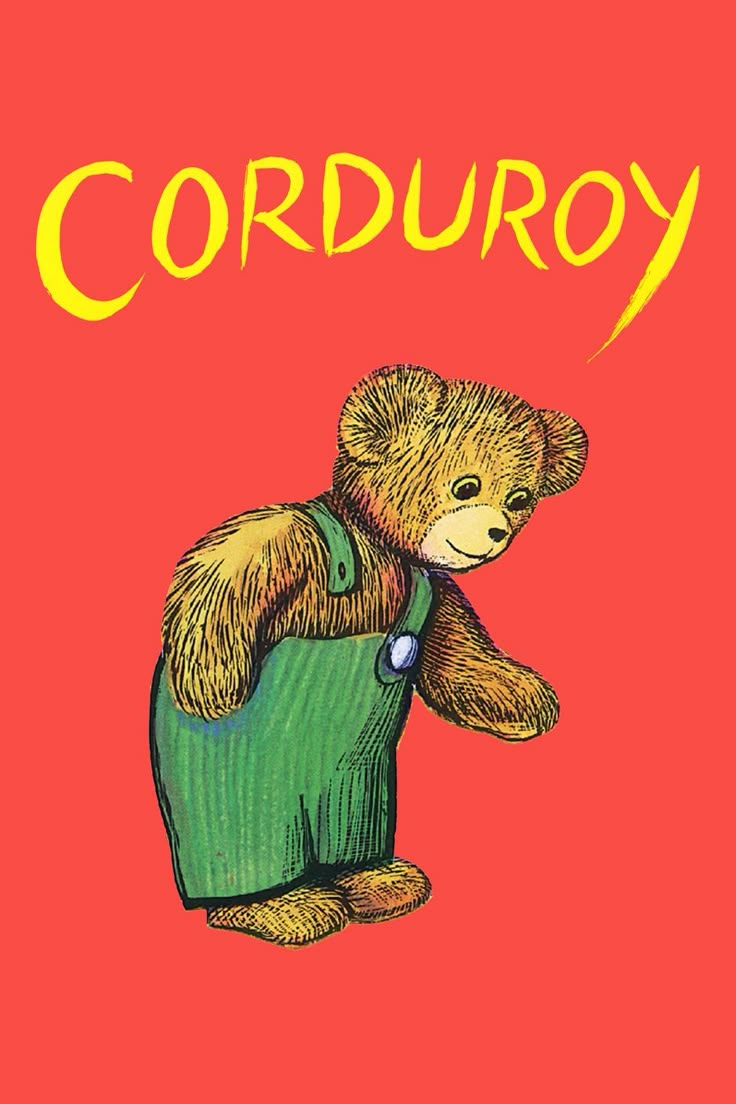
Corduroy is another appealing choice about a toy and belonging, with a more contained search and a lighter sense of adventure. It may suit a reader who likes the idea of an object becoming a companion but is not ready for this story's illness and threatened loss. The two bears-and-rabbits shelf neighbors have different emotional journeys, even when both invite affection for a small character.
Love You Forever also views care through time and change, but centers a human family relationship. Winnie-the-Pooh offers another way for toy-like companions to inhabit a fully imagined world, with episodic humor and a different pace. Choose by the experience your listener wants: a search, a reflective transformation, a family story or a group of familiar friends. A tender book is not automatically interchangeable with another tender book, and a calmer alternative can be exactly the right next choice.
The Velveteen Rabbit: An edition-specific outside perspective
The Kirkus review linked below concerns the 2011 edition illustrated by Gennady Spirin. Its brief quoted phrase refers to the enduring story, while the full review also evaluates that particular visual interpretation. We identify the edition so the attribution does not imply that Kirkus assessed every available printing or the exact copy a reader may already own. The reviewer is not named individually on that page, so the publication receives the attribution.
For buying decisions, use the catalog to identify a version and a seller's current listing to check total cost, condition and availability. No live price comparison is claimed here. Library copies can help families compare illustrations and preview the difficult material. External editorial opinion remains separate from Roseram's own analysis, and it is not converted into a customer rating or a star average. Clear context makes a short quotation more useful than an impressive-looking score without an identifiable basis.
The Velveteen Rabbit: Our verdict: a thoughtful companion for the right moment
The Velveteen Rabbit gives a small toy an emotional journey large enough to raise questions about value, attachment and change. Its imaginative world allows affection to alter the meaning of being real, while its harder moments prevent the story from becoming only a cozy nursery scene. That combination can be deeply moving, but it should be chosen with attention to a listener's readiness.
Share an edition you have previewed, take the reflective passages comfortably and keep room for mixed feelings. You might talk about a familiar object, make up a completely new character or simply sit together after the ending. The book does not need to prove that every toy is alive to make care worth noticing. Its most rewarding invitation is to look beyond a surface and consider the history of affection that may make something ordinary feel wonderfully important.
OTHER VOICES · ATTRIBUTED EXCERPTS
The Velveteen Rabbit: A peek at published feedback.
These selected published excerpts come from the named sources. They are not reviews submitted to Roseram or a complete picture of every reader’s opinion.
remains a read-aloud standard
The source reviews the edition illustrated by Gennady Spirin, released February 1, 2011. This is not a rating of every edition or customer feedback gathered by Roseram.
Read the original source ↗The Velveteen Rabbit: Sources for this reading guide
MORE BOOKS TO EXPLORE
The Velveteen Rabbit: Snuggle up with another story.
Looking for a picture-book friend? These stories have lovely little worlds to explore together.


For grown-ups: book editions and prices
PRICE & EDITION COMPARISON
The Velveteen Rabbit: Compare like with like.
Retail prices change by country, seller and date. A reliable comparison matches the ISBN, binding, language, publication date and condition, then includes shipping and tax. Check a new copy against another new copy, a used copy against the same edition in similar condition, and a library listing separately. We include publisher-listed reference prices when available; they are not a live survey of every retailer and are not presented as the lowest price.
The Velveteen Rabbit: Explore the book’s background
Read the encyclopedia entry for more publication history and background.
For grown-ups: about our reviews and sources
SCOPE & SOURCES
The Velveteen Rabbit: A clear basis for this review.
This is Roseram’s original editorial commentary on the work’s narrative, form and reader experience. It is independent of the book’s publisher and is not a customer rating, sponsored endorsement, or report of a hands-on test of a particular edition. Illustrations, translations, introductions and pagination can differ between editions.
For edition-specific publication details, compare the title and author in the public library catalog. No reader ratings or price quotes are presented unless a linked source identifies the exact edition.
Look up bibliographic records for this title