
ROSERAM / LET’S OPEN A BOOK!
The Giving Tree
Let’s peek inside The Giving Tree! Here’s what makes this story special, a question to get you wondering and a fun idea to try after reading.
Explore this The Giving Tree review
A LITTLE PEEK INSIDE
The Giving Tree: Meet your next adventure!
A boy and a tree share a friendship that changes as the boy grows. The simple pictures leave lots of space for big feelings and big questions. This gentle, sometimes sad story is one to read slowly with someone you love.
WONDER OUT LOUD
The Giving Tree: What do you think?
How can friends take care of each other?
YOUR TURN TO PLAY
The Giving Tree: Try a little book magic.
Draw a friendship tree with kind things written on its leaves.
ROSERAM’S FULL READING ADVENTURE
The Giving Tree: A quiet book with an enormous question
What does it mean to give something to someone you love? Shel Silverstein's The Giving Tree begins with a relationship that seems easy to enter: a boy enjoys a tree, and the tree enjoys having him nearby. As the boy grows, what he asks for changes. The book follows those changes with very few words and simple line drawings, leaving readers plenty of room to feel and wonder.
This is a tender book, but not an entirely cheerful one. Some readers find comfort in the tree's affection. Others feel troubled by how much the tree gives and how little seems to return. Both responses are worth hearing. Rather than telling children that the story has one neat lesson, a shared reading can make room for different thoughts. The most valuable conversation may begin when somebody says that a moment feels lovely, sad or a little unfair.
The Giving Tree: Two characters, many ways to see their friendship
The book gives us a tree and a boy instead of a busy crowd of characters. That simple arrangement draws attention to their exchanges. When one wants something, the other responds. Over time, readers can compare what each character needs, what each offers and how their ways of being together change. The small cast makes those patterns easy to follow even when the feelings behind them are complicated.
You can ask a child to describe each character without deciding who is good or bad. What does the boy enjoy early in the story? What does the tree seem to enjoy? Which of those pleasures depends on having something to give? A listener may answer by pointing rather than speaking at length. Let their observation stand before adding your own. A book with two central figures can still contain more than two possible ways of understanding what happens.
The Giving Tree: Growing older changes the shape of wanting
One of the story's important movements is the boy's growth. The things he wants do not stay exactly the same, and the tree keeps trying to meet the new requests. That makes time visible through a relationship. Instead of explaining every year in a long sequence of events, the book brings the reader back to a familiar pair at a different stage of life.
Children can begin exploring that idea through their own ordinary changes. A game they loved when they were smaller may not be their favorite now. They might want different help or more time to do something independently. Those changes do not have to mean that an old friendship has stopped mattering. The book's harder question is what happens when changing wants become the center of the relationship. Keep that question open enough for a child to think, rather than using it to judge their own everyday requests.
The Giving Tree: The white space gives a feeling somewhere to land
Silverstein's line drawings leave much of the page unfilled. That emptiness can make a small gesture or a change in the tree's shape feel especially noticeable. There is less background activity competing for attention. The reader is invited to look at the figures, their positions and the space between them. A simple picture can carry a great deal when the story has taught you what to notice.
Try looking at an early image and a later one without reading the words immediately. What has disappeared, moved or changed size? Where does the boy stand in relation to the tree? The aim is not to discover a secret symbol in every line. It is to notice that an illustration's choices affect your experience. A child may feel that a page looks lonely before they can explain why. Listening to that response is already a meaningful way of reading the pictures.
The Giving Tree: Repetition can become a question instead of an answer
Returning to a familiar kind of exchange gives the story its rhythm. A character wants something; a response follows; time moves on. As readers recognize that pattern, they may begin expecting it. But a repeated event can feel different when what is being asked or given becomes larger. Familiarity does not always make a scene comforting. Sometimes it helps you notice that something important is changing.
A useful question is how the next exchange compares with the one before it. Is the request similar? Is the tree still able to enjoy the same things afterward? Does the reader feel differently about the response this time? These questions keep the conversation close to the actual pages. You do not have to begin with an abstract speech about generosity. The changing pattern supplies concrete moments that a child can point to, compare and discuss in their own words.
The Giving Tree: Why readers can disagree and still be reading carefully
A story may be memorable partly because it does not settle every question for us. One reader might focus on a love that continues through change. Another might focus on how the relationship becomes uneven. A third might think about what happens when a living thing is treated mainly as a source of useful materials. These are possible interpretations, not a requirement to choose one approved message.
When two readers disagree, invite each to find a detail that helped form their view. A picture, a request or a change in the characters' positions can become part of the explanation. That is different from arguing about who enjoyed the book correctly. Children can learn that an opinion becomes more interesting when it is connected with something in the story. A respectful disagreement can be a rich ending to a reading session, even when nobody changes their mind.
The Giving Tree: Kindness does not have to mean giving everything away
The book can open a thoughtful conversation about giving, but it should not become an instruction that a child must surrender whatever another person wants. Everyday kindness can include sharing, helping, listening and also making choices about what you keep. A friendship does not need to be measured by how much one person gives up. That distinction is worth saying plainly when discussing this particular story.
Use small examples a child can understand. A friend might offer to take turns with a toy, help find a lost mitten or draw a picture for someone. They can also say that a favorite object is not available for sharing right now. Ask what a kind response to that boundary could sound like. This lets you enjoy the tree's warmth while still exploring a different possibility: caring for somebody and caring for yourself can belong in the same relationship.
The Giving Tree: What might a more balanced exchange look like?
Imagine pausing the story at a request and asking what other choices might be possible. Could the characters spend time together without an object changing hands? Could a request be smaller? Could the boy notice something the tree needs? These questions do not rewrite the published book as though it made a mistake. They use the story as a starting place for your own imaginative experiment.
Let a child suggest an alternative and follow it for a few sentences. Perhaps the characters create a new game, rest together or find help elsewhere. Your version may become happier, funnier or simply different. Label it as an invented branch of the story, then return to what Silverstein actually wrote. Moving between those two activities helps children enjoy creative possibilities while remembering that their own additions and the original work are different things worth talking about separately.
The Giving Tree: Make a tree of everyday kindness
Draw a trunk and branches on a large sheet. Add paper leaves with little acts of care that do not depend on buying or giving away possessions. One leaf might name a kind greeting; another could describe including somebody in a game. The activity becomes more interesting when the child chooses examples from real routines rather than copying a long list supplied by an adult.
You can give the tree roots as well. Write or draw things that help the person doing the caring: rest, help, time alone, food or a chance to say how they feel. Now your tree contains both giving and support. It does not need to copy the book's drawings or become a reward chart. It is a picture of possible choices, ready to change when somebody thinks of another gentle way to make a friend or family member feel noticed.
The Giving Tree: Try telling a scene from a different viewpoint
Choose one exchange and imagine what the tree might notice before the boy arrives. Then imagine what the boy might be thinking as he approaches. Keep the new thoughts clearly separate from the words actually printed in the book. You are not proving that the characters secretly had those thoughts; you are practicing how a change of viewpoint can alter the telling of an event.
This can be done aloud with two paper figures instead of in writing. One reader describes what their character sees, wants or worries about, then the other responds. Ask whether the two versions pay attention to the same details. A child may discover that an event can look very different from each side of a relationship. The activity encourages curiosity rather than mind-reading: when you return to real life, it is better to ask a person what they need than assume that you already know.
The Giving Tree: Notice the difference between a need and a wish
As the boy grows, the story offers chances to discuss the things people want. A child may enjoy sorting imaginary requests into several groups: things that keep someone safe, things that make life easier and things that simply sound enjoyable. There need not be a perfect answer for every object. The value lies in explaining the choice and noticing that circumstances can matter.
Keep the activity free from judgments about the family's own purchases or resources. You can use a pretend traveler packing a bag, or an invented character preparing for a picnic. Ask which items are necessary for that situation and which would be pleasant extras. Then look back at one moment in the book and wonder what choices the characters believed they had. This creates room for thought without making a child feel responsible for solving the emotional or practical problems of grown-ups.
The Giving Tree: Read it at a pace that leaves room for feelings
A short book can ask for a long pause. Because The Giving Tree moves through large changes with spare language, a listener may want to stop before the last page. You can follow that need. Look back at a picture, ask whether they want to continue or choose a lighter story afterward. Finishing quickly is not more successful than making room for a thoughtful response.
An adult does not have to fill every quiet moment. Some children talk while they process a story; others want time before saying anything. Offer a simple invitation to share rather than a demand for an explanation. If your reading partner feels sad, acknowledge that the book can bring that feeling. You do not need to insist that it is actually happy, and you do not need to turn the sadness into a warning. A comfortable reading relationship has space for more than one emotion.
The Giving Tree: Choosing it for a particular reader
This may suit a child who enjoys reflective stories and conversations about relationships. It may be less appealing during a moment when they want a lively joke, a detailed adventure or a straightforwardly cheerful ending. The small amount of text does not make every question in the book simple. Choosing a reading companion can be more helpful than deciding that a certain age must respond in a certain way.
You can look through the pictures together before deciding to read it fully. Ask what the child would like to know about the two characters. If their interest fades, there is no need to press on simply because the title is well known. A later encounter may bring a different response. The useful goal is an engaged shared experience, not proving that a child appreciates a classic or arrives at the same interpretation that a grown-up remembers from their own childhood.
The Giving Tree: Put another friendship story beside it
Frog and Toad Are Friends offers a useful comparison because its friendship unfolds through everyday episodes in which the two characters repeatedly respond to each other. You can ask what each friend brings to a situation and how their different personalities affect their help. The Giving Tree makes those questions feel different because of its longer passage through time and the changing shape of what is given.
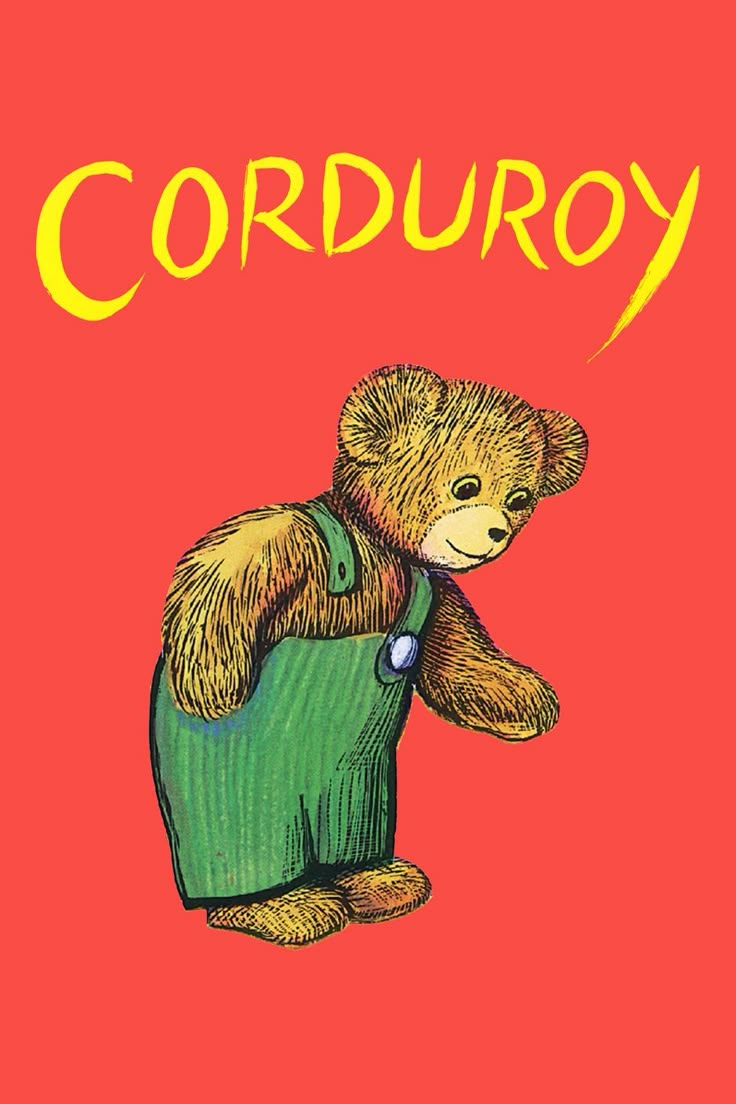
Corduroy offers another gentle contrast: affection is connected with recognizing a friend rather than requiring that friend to become perfect first. The Rainbow Fish can open a separate conversation about sharing and belonging, while Charlotte's Web explores friendship through a longer narrative with loss. None of these books needs to be treated as a perfect instruction manual. Read them as different stories, then compare the questions they make you want to ask about care, choice and being valued.
The Giving Tree: What an outside review adds
Common Sense Media's editorial review by Peter Lewis describes the book as emotionally powerful and acknowledges its different possible interpretations. That is useful context for a grown-up who remembers only a simple message of generosity. The full source gives its own assessment, which can be read alongside a child's reactions rather than used to overrule them. We link it so you can see the perspective in its original setting.
An attributed editorial review is different from a collection of customer opinions. We do not present that outside assessment as a star rating gathered from Roseram readers. The short quotation below identifies the writer and publication. If you read retailer comments elsewhere, remember that a selected enthusiastic response does not tell you how every reader felt. For this book in particular, contrasting opinions may be more useful than looking only for praise, because the disagreement often reveals the questions readers find most important.
The Giving Tree: Our thoughtful little verdict
The Giving Tree is memorable because a very simple visual and verbal form leaves complicated feelings exposed. Its changing relationship is easy to follow, yet difficult to settle into one comfortable rule. That can make it a valuable shared read when everyone has room to ask questions, disagree and notice what each character gives up or receives. It can also make the story a less suitable choice for an occasion that calls for uncomplicated fun.
Our preferred way to finish is with a gentle question about care in everyday life. What helps a friendship feel good for both people? A child might suggest a game, a hug, a turn to speak or some space. Those small answers give the conversation somewhere warm and practical to land. You can appreciate the book's tenderness while continuing to think about its uneasiness. A good reading experience does not always leave every question solved; sometimes it leaves you listening more carefully.
OTHER VOICES · ATTRIBUTED EXCERPTS
The Giving Tree: A peek at published feedback.
These selected published excerpts come from the named sources. They are not reviews submitted to Roseram or a complete picture of every reader’s opinion.
Classic, sensitive parable about selflessness.
This is a brief attributed editorial opinion. It is not a Roseram customer rating or an average of outside ratings.
Read the original source ↗The Giving Tree: Sources for this reading guide
MORE BOOKS TO EXPLORE
The Giving Tree: Snuggle up with another story.
Looking for a picture-book friend? These stories have lovely little worlds to explore together.


For grown-ups: book editions and prices
PRICE & EDITION COMPARISON
The Giving Tree: Compare like with like.
Retail prices change by country, seller and date. A reliable comparison matches the ISBN, binding, language, publication date and condition, then includes shipping and tax. Check a new copy against another new copy, a used copy against the same edition in similar condition, and a library listing separately. We include publisher-listed reference prices when available; they are not a live survey of every retailer and are not presented as the lowest price.
The Giving Tree: Explore the book’s background
Read the encyclopedia entry for more publication history and background.
For grown-ups: about our reviews and sources
SCOPE & SOURCES
The Giving Tree: A clear basis for this review.
This is Roseram’s original editorial commentary on the work’s narrative, form and reader experience. It is independent of the book’s publisher and is not a customer rating, sponsored endorsement, or report of a hands-on test of a particular edition. Illustrations, translations, introductions and pagination can differ between editions.
For edition-specific publication details, compare the title and author in the public library catalog. No reader ratings or price quotes are presented unless a linked source identifies the exact edition.
Look up bibliographic records for this title