
ROSERAM / LET’S OPEN A BOOK!
Love You Forever
Let’s peek inside Love You Forever! Here’s what makes this story special, a question to get you wondering and a fun idea to try after reading.
Explore this Love You Forever review
A LITTLE PEEK INSIDE
Love You Forever: Meet your next adventure!
A little song follows a mother and child through the years. There are mischievous moments, loving moments and a tender change as they grow older. This is a cuddly, sometimes tearful story to share with a grown-up who knows you well.
WONDER OUT LOUD
Love You Forever: What do you think?
What is one way your family shows love?
YOUR TURN TO PLAY
Love You Forever: Try a little book magic.
Draw someone caring for you, then draw yourself caring for someone.
ROSERAM’S FULL READING ADVENTURE
Love You Forever: A little book with a very long view
Love You Forever begins close to home, with the familiar work of caring for a child, then lets time move far beyond a single bedtime. Robert Munsch's story follows a relationship through changing ages. Sheila McGraw's illustrations help make those changes visible. The book can feel funny, tender and sad within a small number of pages, which is one reason a grown-up and a child may react to the same reading quite differently.
This is not simply a promise that every evening will be peaceful. Everyday exasperation sits beside affection, and the passing years bring changes that no bedtime routine can stop. That gives the story emotional reach, but also makes it worth previewing. A family looking for an entirely light goodnight book may want a different choice. A family ready to talk about growing, caring and remembering may find something meaningful here.
Love You Forever: The ordinary muddles make the affection feel lived in
One useful feature of the story is that the child does not have to behave perfectly to remain loved. Growing up includes mess, noise and moments that wear an adult out. Those recognizable disruptions keep the relationship from becoming a polished portrait in which everybody is calm all the time. A reader can notice that frustration and love are not presented as mutually exclusive feelings.
For a young listener, that idea can be reassuring when expressed simply: somebody can dislike a particular behavior and still care about the person. There is no need to use the book to reopen a list of the child's own mistakes. Enjoy the fictional household's exaggerations on their own terms. If a real-life question comes up, listen to it. The most helpful conversation may be a small one about having a difficult moment, repairing it and knowing that care continues.
Love You Forever: Repetition becomes a thread through changing years
A repeated expression of love gives the book a point of return while the people and circumstances change. That structure makes time feel both large and manageable. A listener may not understand every adult stage of life, but can recognize the familiar return and hear that it still matters. Repetition works here as a relationship between scenes, not just as an easy phrase for joining in.
On a second reading, notice what is different each time the familiar moment arrives. The character's age, the room and the practical situation may have changed, while the emotional thread remains recognizable. You can ask a child what stayed the same without requiring them to explain the whole life cycle. A picture, a gesture or a remembered feeling may be their way of answering. Familiar language can carry a listener across a story whose timescale is much bigger than their own experience.
Love You Forever: McGraw gives time a visible shape
Illustration is especially important in a book that moves between life stages quickly. The pictures let readers see age, setting and the changing physical relationship between the characters. A person who once needed to be held does not remain small forever. That simple visual fact makes the later changes more powerful than an abstract explanation about years passing would be.
Look at the scenes as a sequence of family pictures, while remembering that they belong to fictional people rather than every possible household. Ask which details help you tell that time has moved on. A child might point to clothes, size or the way somebody is sitting. Those observations can lead naturally to a conversation about how they themselves have changed, without needing private photographs or turning the discussion into a comparison of developmental milestones.
Love You Forever: The humor and tenderness do different jobs
The exaggerated parts of the book can make a listener laugh, while the tender parts ask for a slower sort of attention. Both moods matter. If the story were uniformly solemn, its expression of love might feel less connected with a busy real life. If it remained only a comedy about an energetic child, the later reversal would not have the same emotional space.
A shared reading can follow those changes without putting on a grand performance. Let an amusing moment be amusing, then allow the quieter one to arrive in a gentler voice. A child may continue laughing at an image that makes an adult emotional. That does not mean the child has missed the point. Different readers notice different things, and the same person may respond differently when returning to the book years later. The page does not require everybody in the room to feel exactly alike.
Love You Forever: Some scenes are affectionate exaggeration
Not every action in a picture book should be read as a practical example to copy. This story includes larger-than-life expressions of attachment, and some readers find those scenes sweet while others find them uncomfortable. It is reasonable to make that distinction openly. A book can express a feeling through exaggeration without providing a good model for every real-world boundary.
If a child asks about personal space or visiting someone, answer in ordinary terms: people can love one another and still ask permission, knock and respect a wish for privacy. You do not have to defend every fictional choice to appreciate the story's emotional purpose. In fact, acknowledging a mixed reaction can make the conversation more trustworthy. The family can enjoy the tender intention while choosing its own considerate ways to show care in daily life.
Love You Forever: The change in who gives care matters
As the story develops, the relationship no longer fits neatly into the idea of one person always being strong and another always needing help. That change is central to its emotional effect. Caring is shown across time, and an act associated with childhood takes on a different meaning when the people have grown older. The repeated structure gives the reader a way to recognize the reversal.
For a child, the important thought can remain small and concrete: people sometimes need different kinds of help as they change. This should not become a demand that a child promise to provide adult care in the future. Affection is not a bill presented for repayment. Keep the discussion centered on noticing another person's needs and the many ways families and communities can share support. The story offers one imagined relationship, not a contract for every reader's life.
Love You Forever: Be gentle with aging, sadness and questions
This is an emotional book about time and changing capacity, so a listener may have questions about illness, aging or separation. A recent family loss can make a familiar scene feel unexpectedly difficult. Preview the book if you are choosing it for a child, especially as a surprise bedtime read. It is possible to enjoy a loving story and decide that a particular evening is not the right time for it.
When a question arrives, answer what the child actually asked rather than delivering a long explanation of every future possibility. It is fine to pause, close the book or choose something lighter afterward. Avoid promises that no loved person will ever change or become unwell. Comfortable company and honest, manageable language are more useful than certainty nobody can provide. A sad reaction does not need to be corrected into happiness before the session can end.
Love You Forever: A family story is not every family story
The book follows a particular parent-and-child relationship, and that specificity is part of its shape. Readers may live with different relatives, carers or arrangements, or have complicated feelings about a parent. A warm review should leave room for those experiences instead of insisting that the book describes what everybody's family is like. Affection can be meaningful without pretending that every household has the same history.
A child might connect the feeling of care with a grandparent, foster carer, sibling or another dependable person. Let that connection be theirs. They may also prefer a book that looks more like their own daily life. You do not need to turn this title into a universal test of love or ask anyone to disclose personal experiences. A fictional story is an invitation to respond, and sometimes a reader's response is simply that another story would feel more comfortable.
Love You Forever: Read the repeated passage in your own voice
The book's returning words can be spoken, gently chanted or shared in a family voice that develops naturally. There is no need to reproduce somebody else's recorded performance. A familiar reader's pace may be more comforting than a polished delivery, especially when the child is listening for a recurring moment. Let the rhythm fit the relationship between the people actually sharing the book.
If your reading partner wants to join in, leave a little room. If they would rather listen, do not require participation to prove that they remember. You can lower your voice for an intimate scene without whispering every page, and pause when an illustration deserves a look. The point is not to create a perfect bedtime ceremony. It is to give the words space to be heard, while remaining attentive to whether the person beside you wants more, less or something different.
Love You Forever: Make a small picture of everyday care
After reading, draw an ordinary act that makes someone's day easier: filling a pet's water bowl, finding a missing mitten or sitting beside a friend who wants company. This keeps the response grounded in actions a child can understand. The picture does not need to show a dramatic sacrifice or a promise to solve another person's whole life. Little practical kindnesses are worth noticing on their own.
Add a sentence about what the person needed and how the action helped. If writing is tiring, an adult can take dictation or the child can simply explain aloud. You can also include asking permission: perhaps the person wanted company, or perhaps they needed quiet. That detail connects affection with paying attention. Care becomes more thoughtful when it responds to the other person's actual wishes, rather than assuming that the biggest gesture will always be the most welcome.
Love You Forever: Talk about change without rushing to the future
A story spanning many years can make a child curious about growing older. Bring that large idea back to a comfortable scale. Ask about something they can do now that once required help, or a favorite routine that has changed. You do not have to make a timeline all the way into adulthood for the conversation to be meaningful. A few familiar changes can be plenty.
Invite the child to name something they would like to learn next, while keeping the pace free of pressure. The book's long view does not mean childhood must be hurried along. Being helped and becoming more capable can exist together. It can also be lovely to notice a routine that remains enjoyable even as other things change: a shared story, a greeting or a walk. Let the child decide which memory they want to draw or talk about.
Love You Forever: When is this the right book to choose?
Love You Forever may suit a family looking for a short picture book with substantial emotional weight, especially when an adult is ready to share the reading and listen afterward. It can also resonate strongly with grown-ups reflecting on their own relationships. That adult response is part of the book's appeal, but it should not determine what a child is expected to feel during the same session.
If the immediate goal is a light, predictable wind-down, try previewing a calmer alternative. If the child enjoys stories about family change and asks thoughtful questions about generations, this one may open a useful conversation. Readiness cannot be reduced to a single age label. A familiar child may be comfortable with the book one month and prefer something else after a major event. Choosing sensitively is more valuable than treating a well-known title as an essential experience for every child.
Love You Forever: How it compares with other tender picture books
Goodnight Moon stays within the scale of a room and a bedtime ritual, so its comfort comes from immediate surroundings rather than a lifetime of change. Guess How Much I Love You offers another way to express affection through playful comparison. Those books may be more suitable when the family wants warmth without the same emphasis on aging and a shifting caregiving relationship.
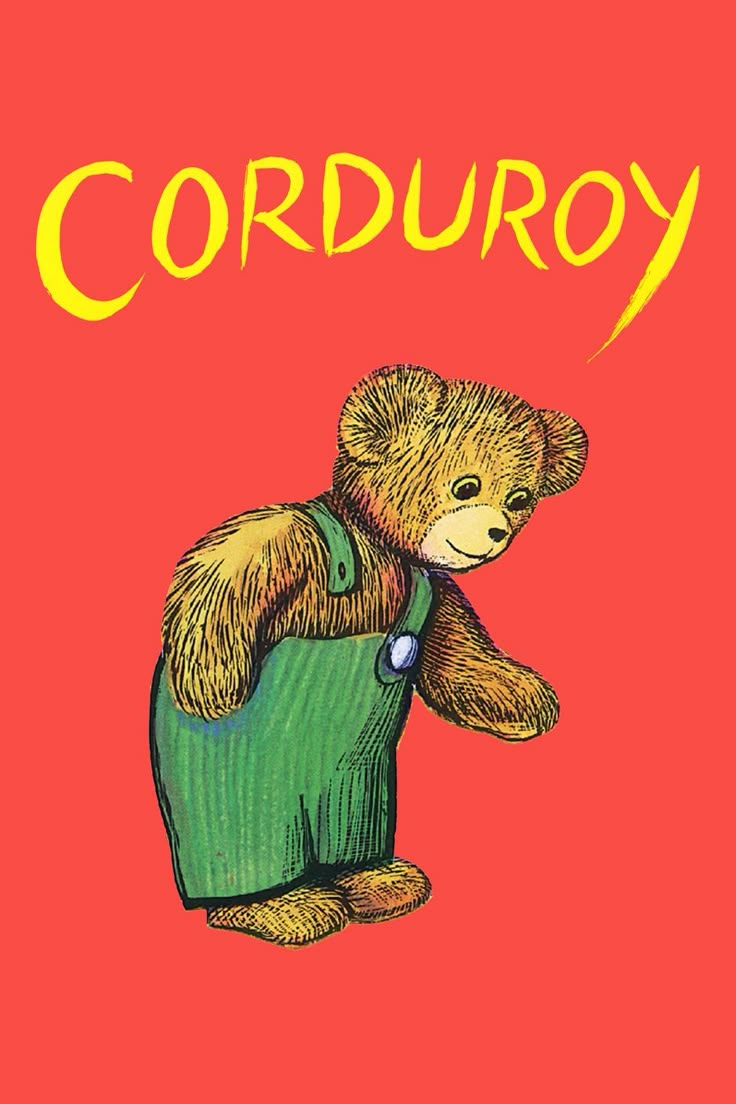
The Giving Tree raises different questions about love and giving, with a relationship that many readers interpret in contrasting ways. Corduroy concentrates on belonging and finding a home, giving a child a more contained adventure. The most useful comparison is about the reading experience you want today. Would your listener like a quiet ritual, a game, a search or a story that lets time move forward? Tender books can be very different companions even when they occupy the same shelf.
Love You Forever: An outside review and practical edition checks
Jesse Kornbluth's Head Butler review is an explicitly personal, adult response to the book. We link it for grown-ups and identify the brief quotation below accordingly. It should not be mistaken for a child-development assessment or for customer feedback gathered by Roseram. An adult's moving experience is one perspective, while a young listener's comfort and interest remain separate questions.
Before buying, compare the exact format and ISBN. A paperback, a hardcover and a digital copy have different practical advantages, and prices vary by retailer and region. The edition catalog linked below can help identify versions; a seller's current listing is the place to check availability and total cost. A title's fame does not establish the condition of a used copy or prove that a particular bundle is good value. Borrowing is a useful option when you want to see how the story feels together first.
Love You Forever: Our verdict: tenderness with room for different feelings
Love You Forever draws its force from repetition, ordinary frustration and a relationship viewed across changing years. Its emotional reach can be considerable, particularly for adults, but that is a reason to choose it thoughtfully rather than promise that it will comfort everyone. The illustrations and recurring expression of affection give the story a recognizable thread while its circumstances grow larger and more complicated.
Share it with room for a smile, a question, a mixed reaction or a pause. You can appreciate its love without copying every exaggerated gesture or expecting a child to make promises about the future. A small act of considerate care after reading may be a better response than a grand declaration. The book is most useful when it becomes part of an attentive relationship in the present, where the listener is free to feel what they feel and say what they need.
OTHER VOICES · ATTRIBUTED EXCERPTS
Love You Forever: A peek at published feedback.
These selected published excerpts come from the named sources. They are not reviews submitted to Roseram or a complete picture of every reader’s opinion.
Call it a classic? Yes, and then some.
A short quotation from an adult personal review. It is not a child-readiness assessment or a Roseram customer rating.
Read the original source ↗Love You Forever: Sources for this reading guide
MORE BOOKS TO EXPLORE
Love You Forever: Snuggle up with another story.
Looking for a picture-book friend? These stories have lovely little worlds to explore together.


For grown-ups: book editions and prices
PRICE & EDITION COMPARISON
Love You Forever: Compare like with like.
Retail prices change by country, seller and date. A reliable comparison matches the ISBN, binding, language, publication date and condition, then includes shipping and tax. Check a new copy against another new copy, a used copy against the same edition in similar condition, and a library listing separately. We include publisher-listed reference prices when available; they are not a live survey of every retailer and are not presented as the lowest price.
Love You Forever: Explore the book’s background
Read the encyclopedia entry for more publication history and background.
For grown-ups: about our reviews and sources
SCOPE & SOURCES
Love You Forever: A clear basis for this review.
This is Roseram’s original editorial commentary on the work’s narrative, form and reader experience. It is independent of the book’s publisher and is not a customer rating, sponsored endorsement, or report of a hands-on test of a particular edition. Illustrations, translations, introductions and pagination can differ between editions.
For edition-specific publication details, compare the title and author in the public library catalog. No reader ratings or price quotes are presented unless a linked source identifies the exact edition.
Look up bibliographic records for this title